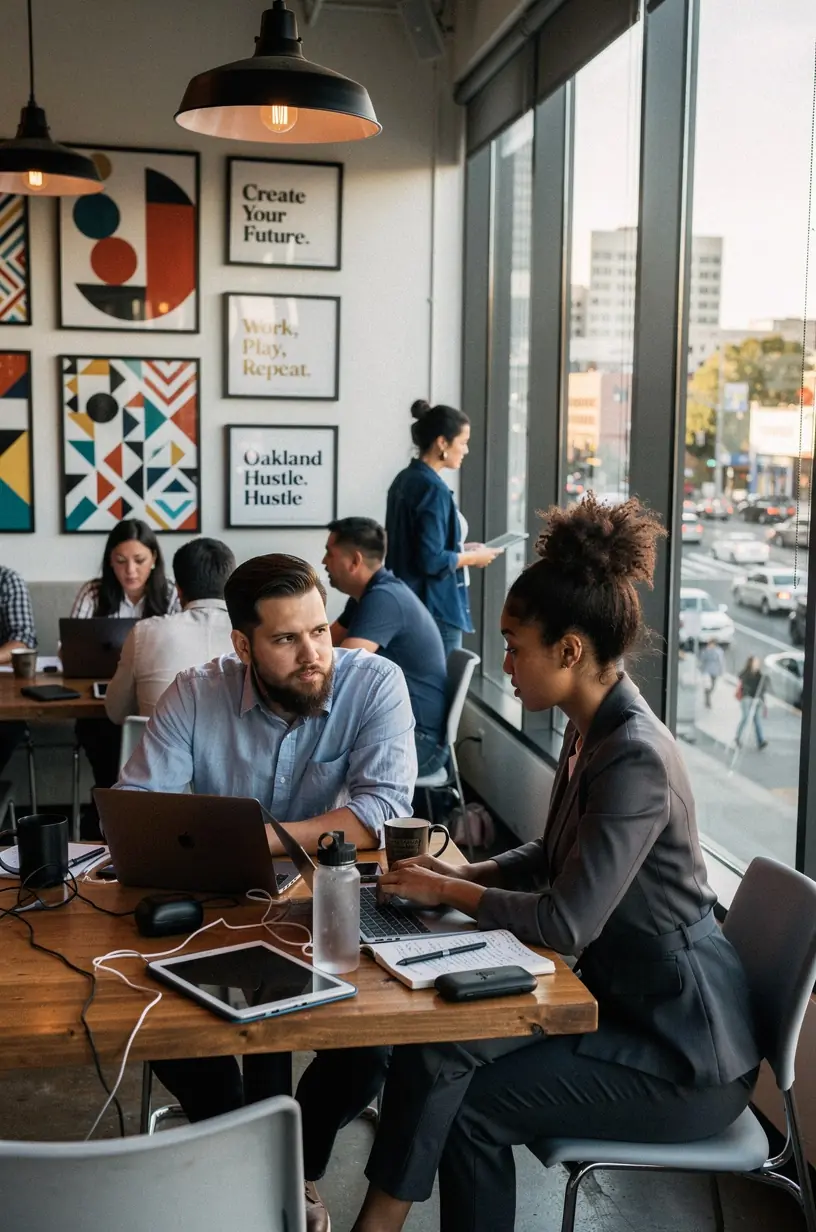
How Data Privacy Affects Urban Residents
In today's digital age, data privacy is becoming a pressing concern, particularly for urban residents who often rely on technology for daily activities. This article explores the implications of data privacy on urban living, supported by evidence and expert insights.
Understanding the Basics of Data Privacy
Data privacy refers to the proper handling, processing, storage, and usage of personal information. According to the Privacy Commissioner of Canada, personal data includes anything that can identify an individual, such as names, addresses, and even browsing habits. Urban residents, who typically engage with various digital platforms for shopping, transportation, and socializing, often find themselves navigating a complex web of privacy risks.

"Data privacy is not just about keeping information safe; it’s about ensuring individuals have control over their own data." - Privacy Commissioner of Canada
The Impact of Data Privacy on Urban Living
Urban residents face unique challenges related to data privacy due to the dense population and extensive use of technology. Here are some key implications:
- Increased Surveillance: Many cities have implemented surveillance technologies, such as CCTV cameras and data collection from public transport systems. While these tools can enhance safety, they often raise concerns about the erosion of personal privacy.
- Data Breaches: Urban areas, with their concentration of technology companies, are often targets for data breaches. According to a report by the Canadian Cyber Security Centre, urban residents are at a higher risk of their personal information being compromised.
- Regulatory Landscape: Urban residents may benefit from certain privacy regulations, such as the Personal Information Protection and Electronic Documents Act (PIPEDA), which governs how businesses handle personal data. However, many users remain unaware of their rights and how to protect themselves.
Adopting Safer Digital Habits
Experts recommend several strategies that urban residents can implement to enhance their data privacy:
- Utilize Privacy Settings: Most digital platforms offer privacy settings that can help users control who sees their information. Regularly reviewing and adjusting these settings is a proactive step in protecting personal data.
- Use VPN Services: Virtual Private Networks (VPNs) can encrypt internet traffic, making it harder for hackers and third parties to access personal information. Studies show that VPN usage can significantly reduce the risk of data interception.
- Stay Informed: Keeping abreast of privacy trends and threats can empower urban residents. Subscribing to privacy advocates or organizations can provide valuable insights and updates on best practices.
Conclusion
The intersection of data privacy and urban living presents both challenges and opportunities. Urban residents need to be proactive in understanding their rights and implementing measures to protect their personal information. While navigating the digital landscape may seem daunting, adopting informed practices can significantly enhance data privacy and foster a safer urban environment.
In conclusion, experts suggest that creating a culture of awareness around data privacy can not only protect individuals but also contribute to a more secure urban community overall.
Learn More