Adapting to Digital Nomad Trends in Urban Areas
As urban areas continue to evolve, many residents are embracing the lifestyle of digital nomadism. This article explores how to adapt to these trends while navigating the unique challenges and opportunities present in Canadian cities.
Understanding the Digital Nomad Lifestyle
The digital nomad lifestyle typically involves working remotely while traveling or living in different locations. According to a study by Upwork, around 36.2 million Americans will be working remotely by 2025. This trend is increasingly common in urban areas, where a blend of technology and mobility is reshaping how we approach work and life.
"The rise of digital nomadism reflects a significant shift in work culture, with more people valuing flexibility and autonomy."
Key Tools for Success
To thrive in a digital nomad lifestyle, utilizing the right tools is essential. Here are some recommendations based on industry best practices:
- Reliable Internet Access: A strong and stable internet connection is critical. Many urban areas offer co-working spaces and cafés with high-speed Wi-Fi, which can provide effective work environments.
- Project Management Software: Tools like Trello and Asana can help manage tasks and collaborate efficiently with teams, regardless of location. Research suggests that using such platforms can improve task completion rates by up to 25%.
- Cloud Storage Solutions: Services like Google Drive and Dropbox provide essential document access and backup options. Many users report feeling more secure knowing their data is accessible from anywhere.
Adopting New Habits
Transitioning into a digital nomad lifestyle requires not only tools but also the cultivation of effective habits. Here are some practices to consider:
- Establish a Routine: Setting a daily schedule can greatly enhance productivity. Experts recommend maintaining consistency in your work hours to help create a work-life balance.
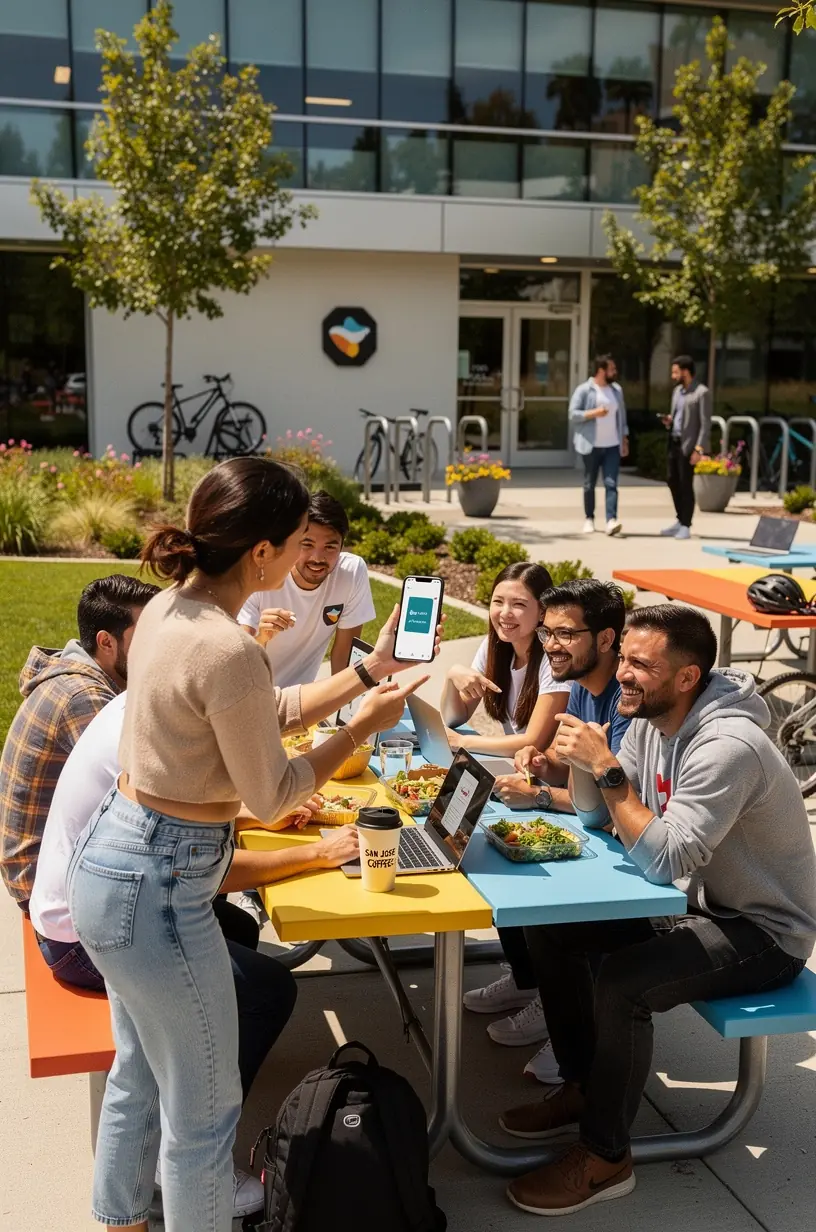
- Stay Connected: Networking with other digital nomads can provide support and insights. Many urban areas feature meetups or online groups that foster community among remote workers.
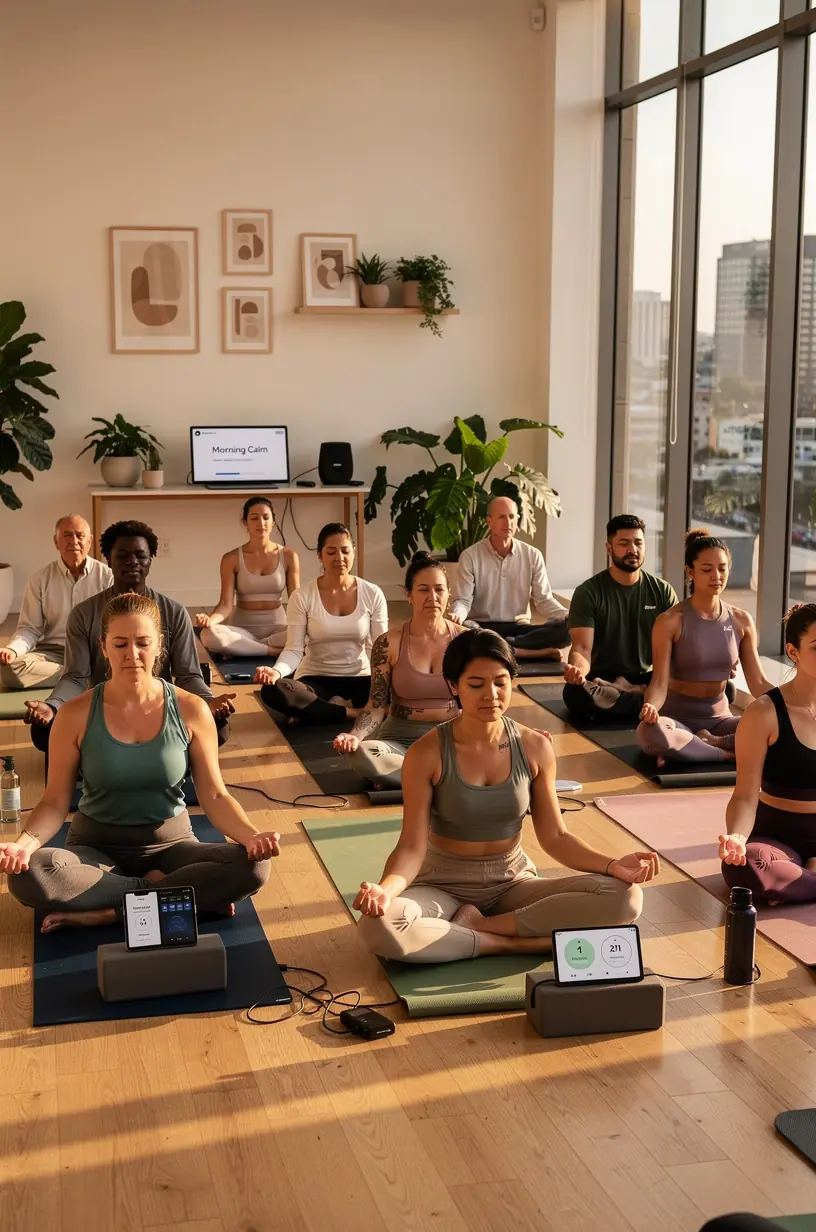
- Prioritize Well-being: Incorporating physical activity and mindfulness practices can help manage the stresses of remote work. Research indicates that regular exercise can improve mental health and productivity.
Challenges and Considerations
While the digital nomad lifestyle offers flexibility, it also presents challenges. Some common issues include:
- Isolation: Many digital nomads report feelings of loneliness, especially when traveling alone. It's important to seek out social interactions to combat this.
- Work-Life Balance: The lines between work and personal life can blur, leading to potential burnout. Setting clear boundaries is essential.
- Regulatory Issues: Different cities may have varying regulations regarding remote work and visas. Researching local laws is advisable before setting up in a new area.
Conclusion
Adapting to the digital nomad lifestyle in urban areas can offer numerous benefits if approached thoughtfully. By leveraging the right tools, establishing productive habits, and being aware of potential challenges, many users find that they can effectively navigate this evolving work culture. Remember that while the journey may involve adjustment, the rewards often include greater freedom and satisfaction in work and life.
Learn More